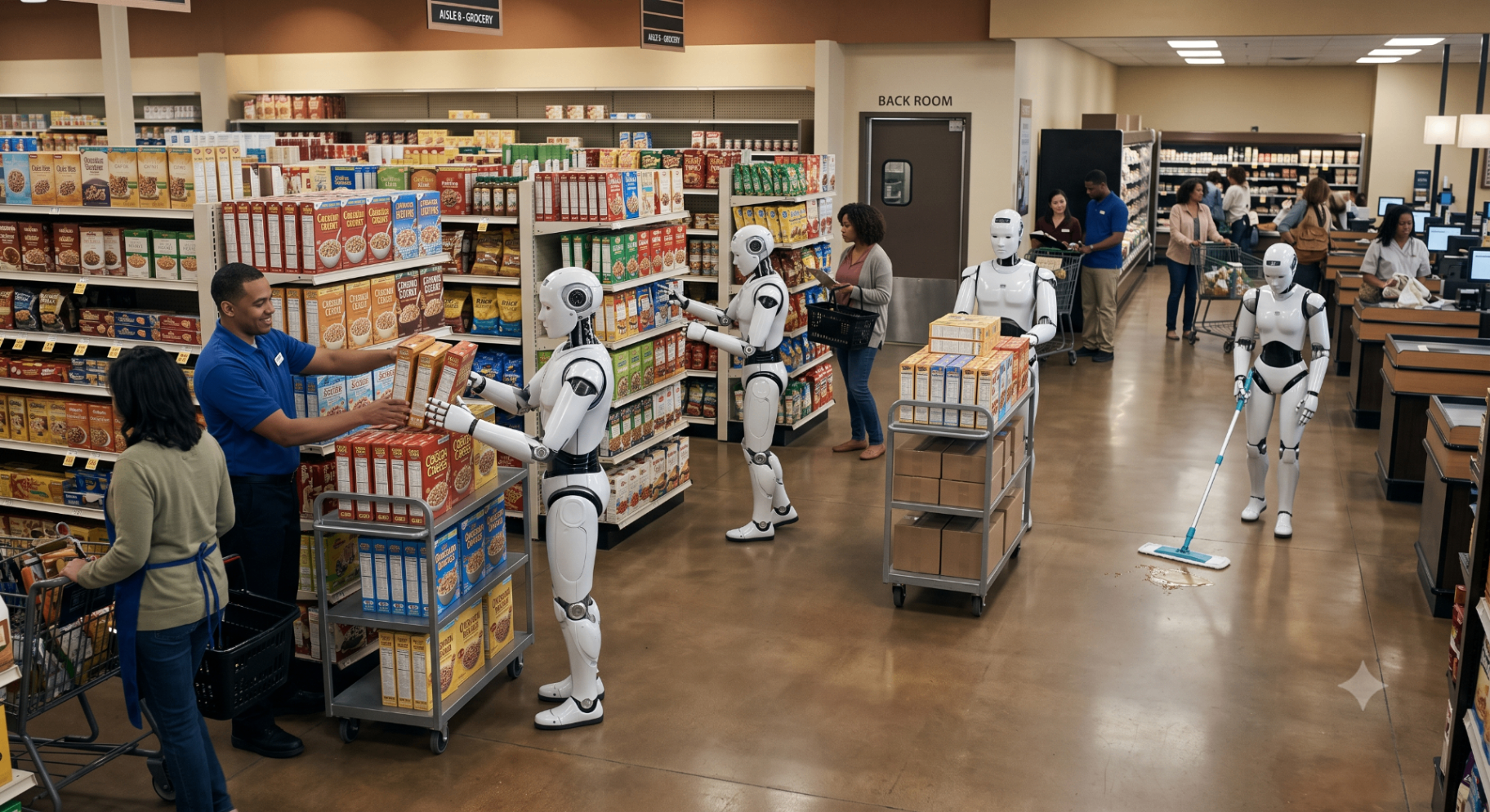
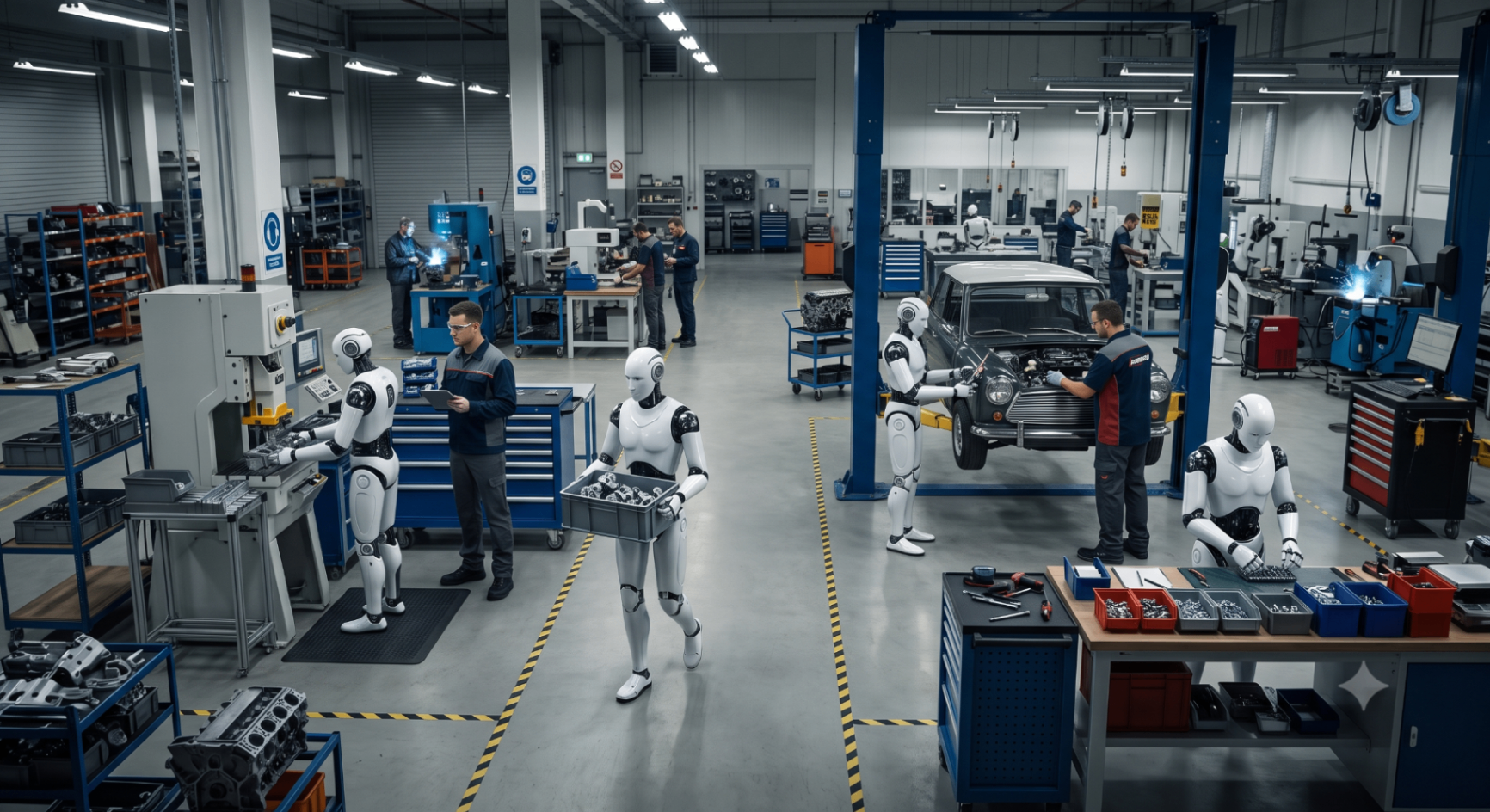
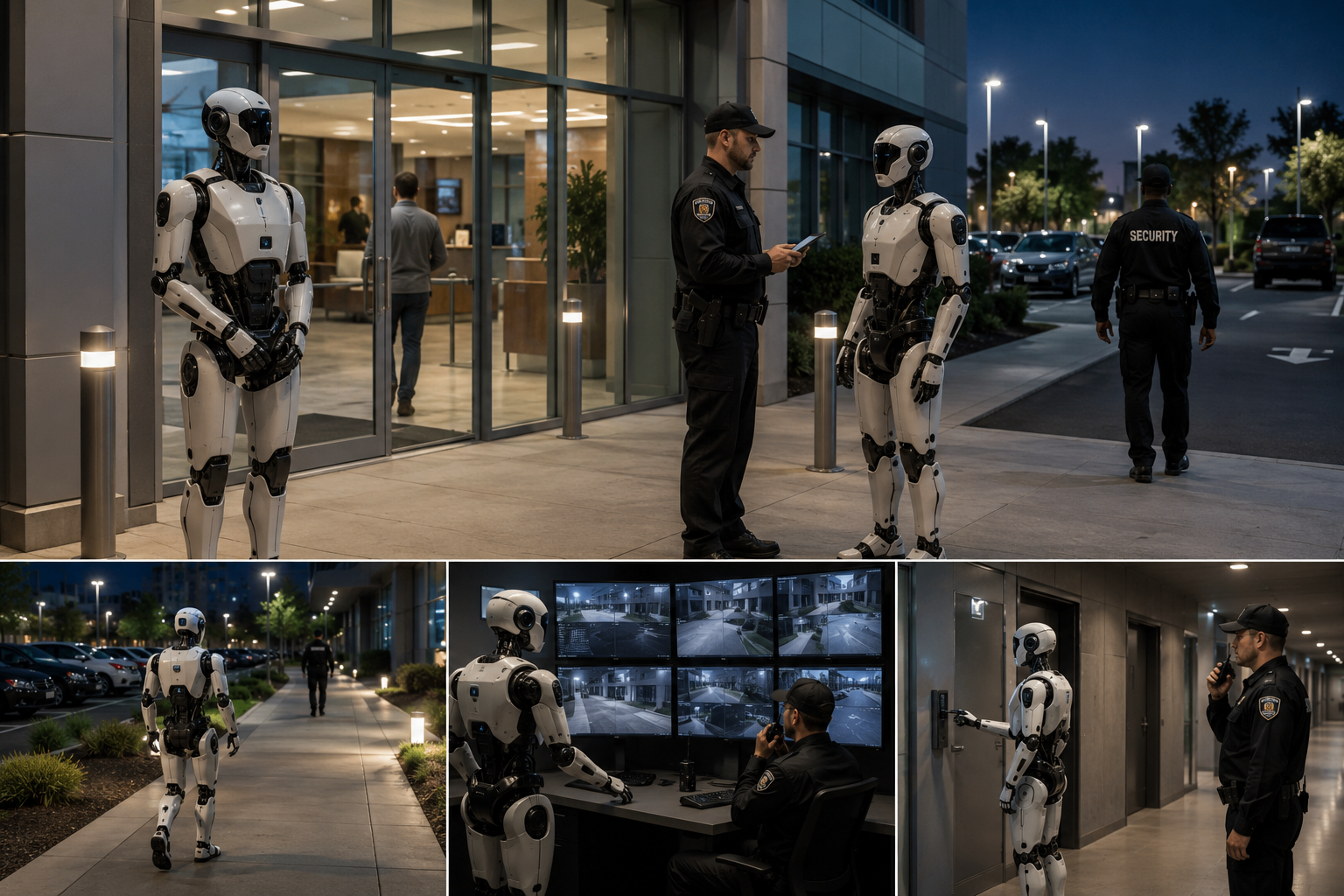
AI becomes far more disruptive when it gets a body. As long as artificial intelligence lives mostly inside phones, computers, apps, and office systems, many people can still think of it as software. But robotics changes that. Once AI has arms, legs, cameras, sensors, hands, mobility, and the ability to move through physical spaces, it stops being something we only use on a screen. It begins entering homes, restaurants, hospitals, warehouses, hotels, stores, factories, security environments, and public life.
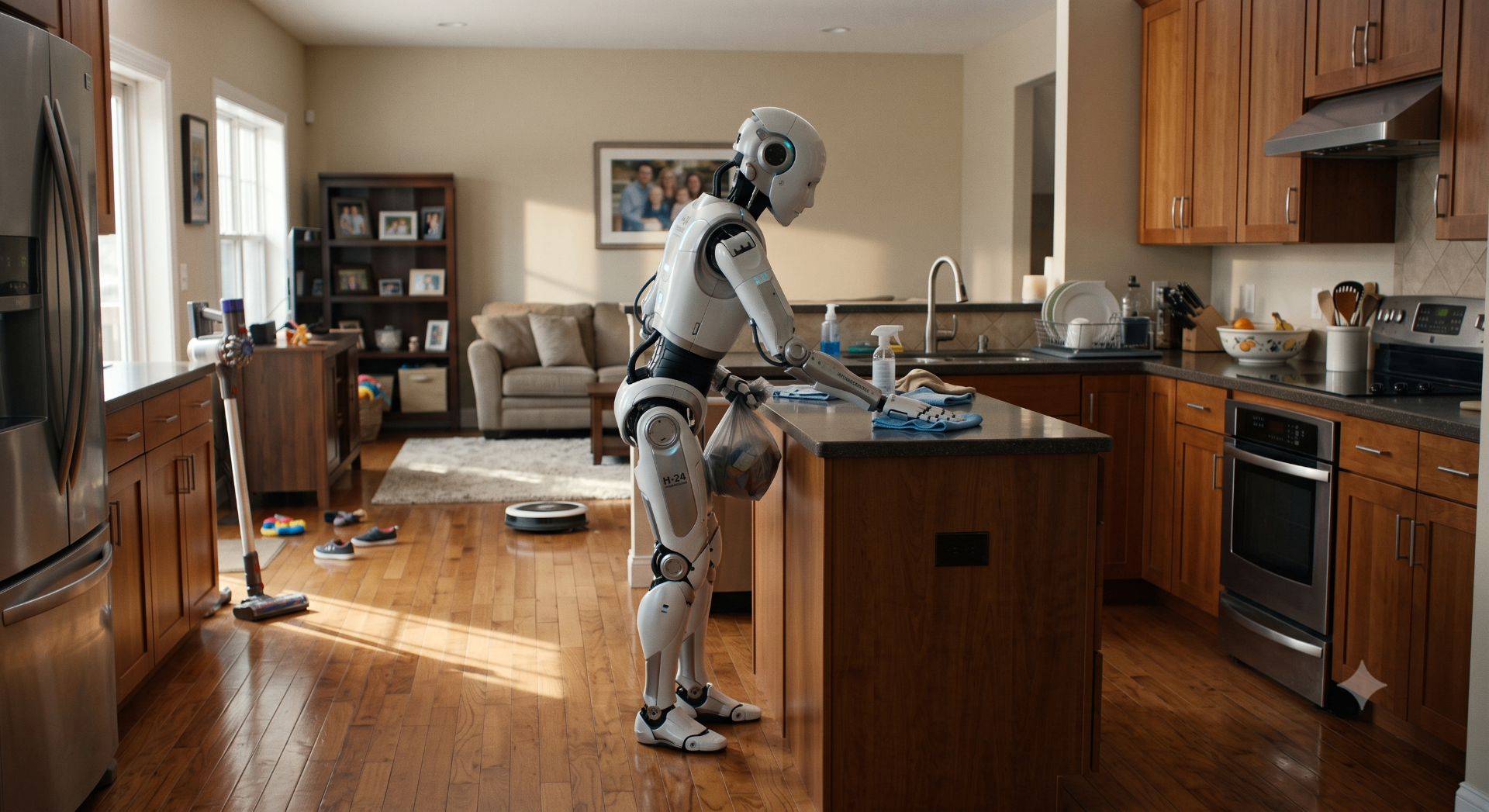
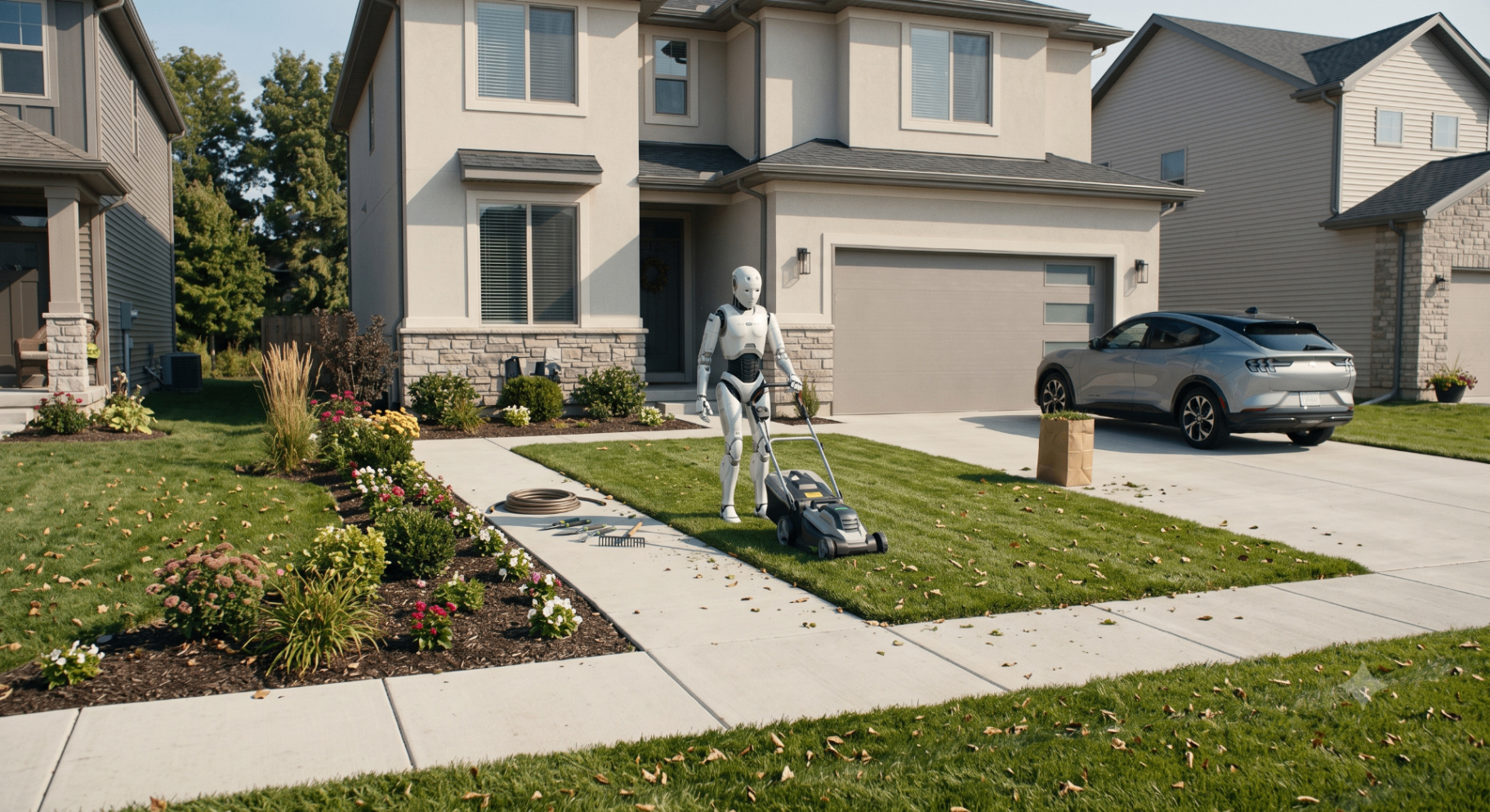
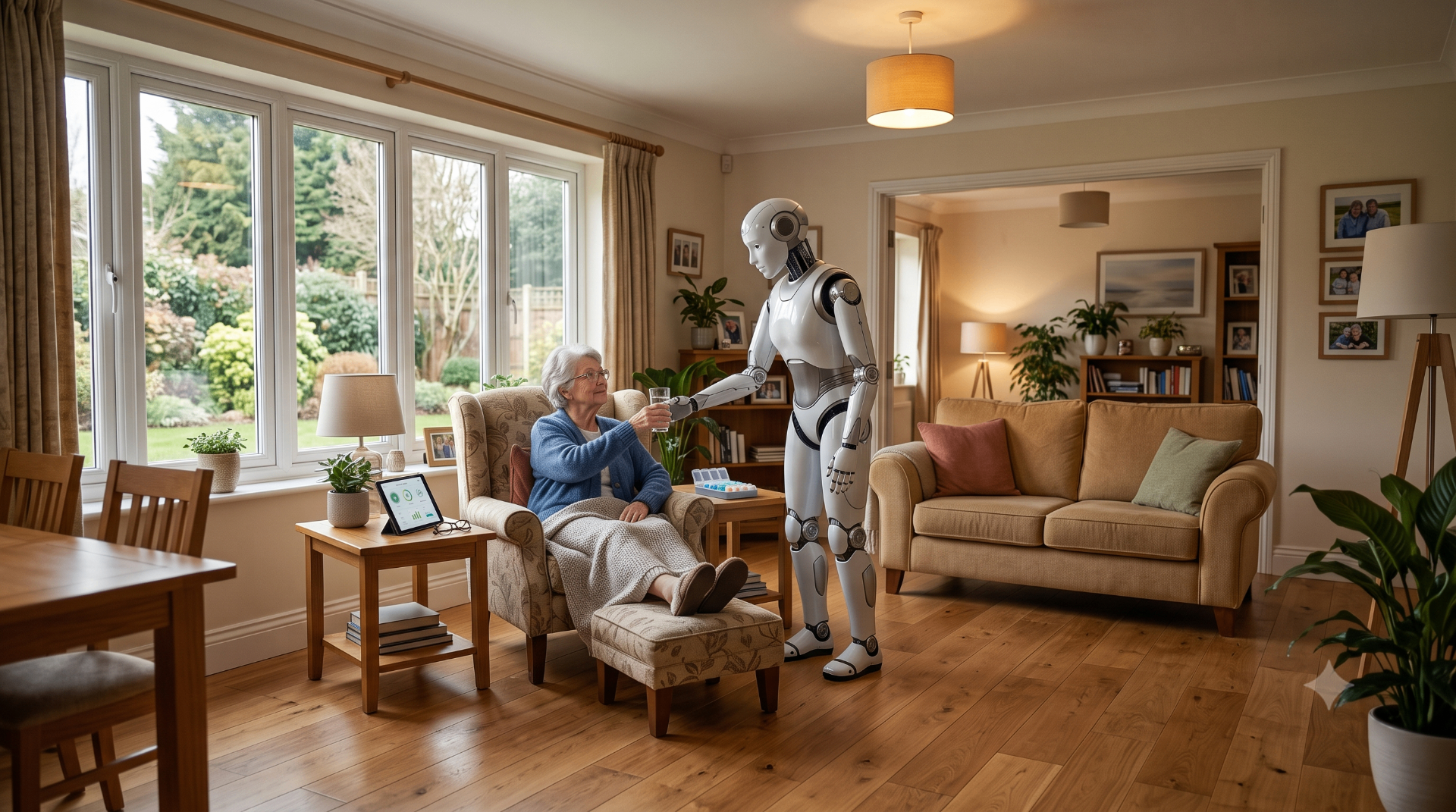
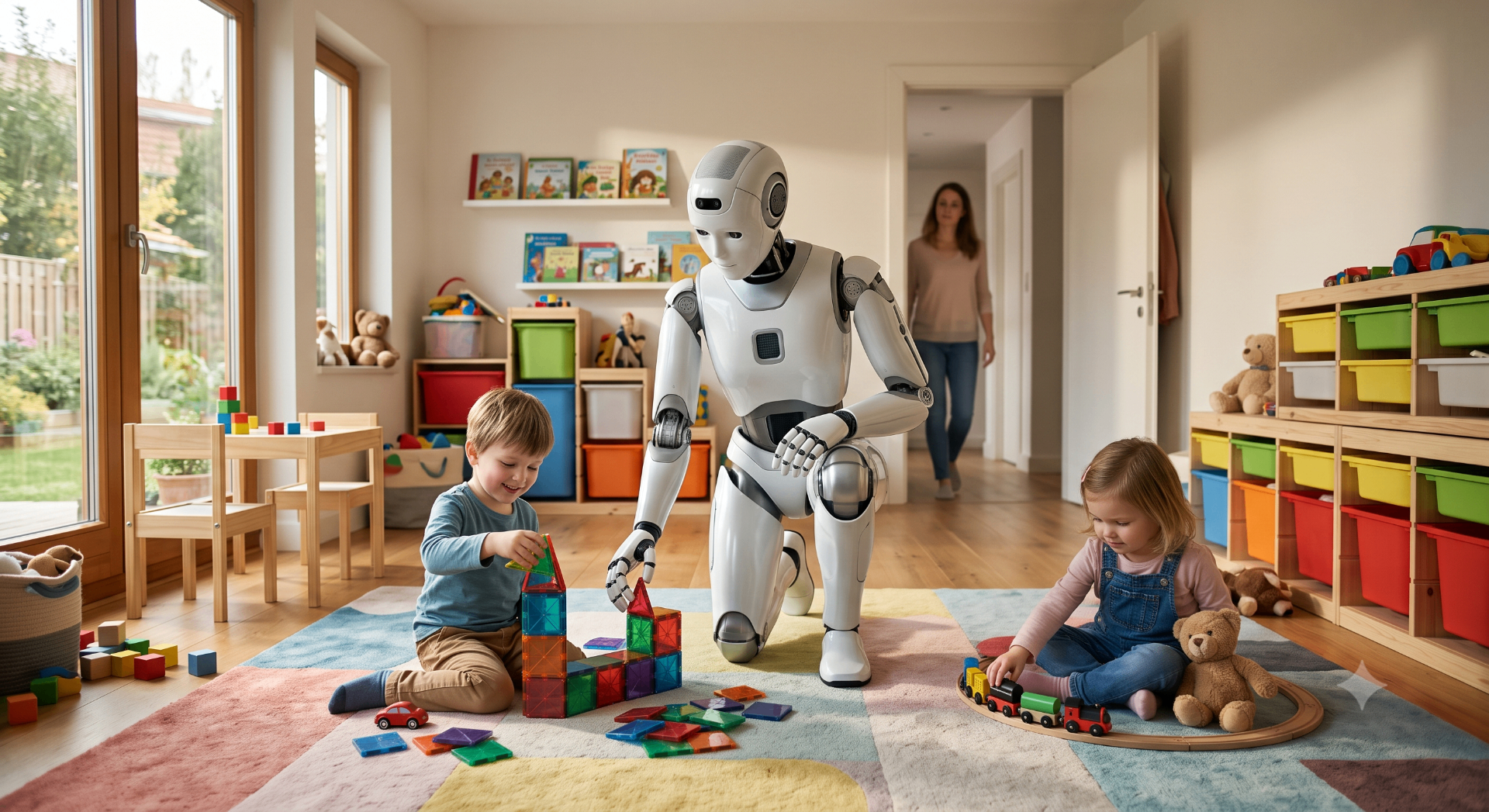
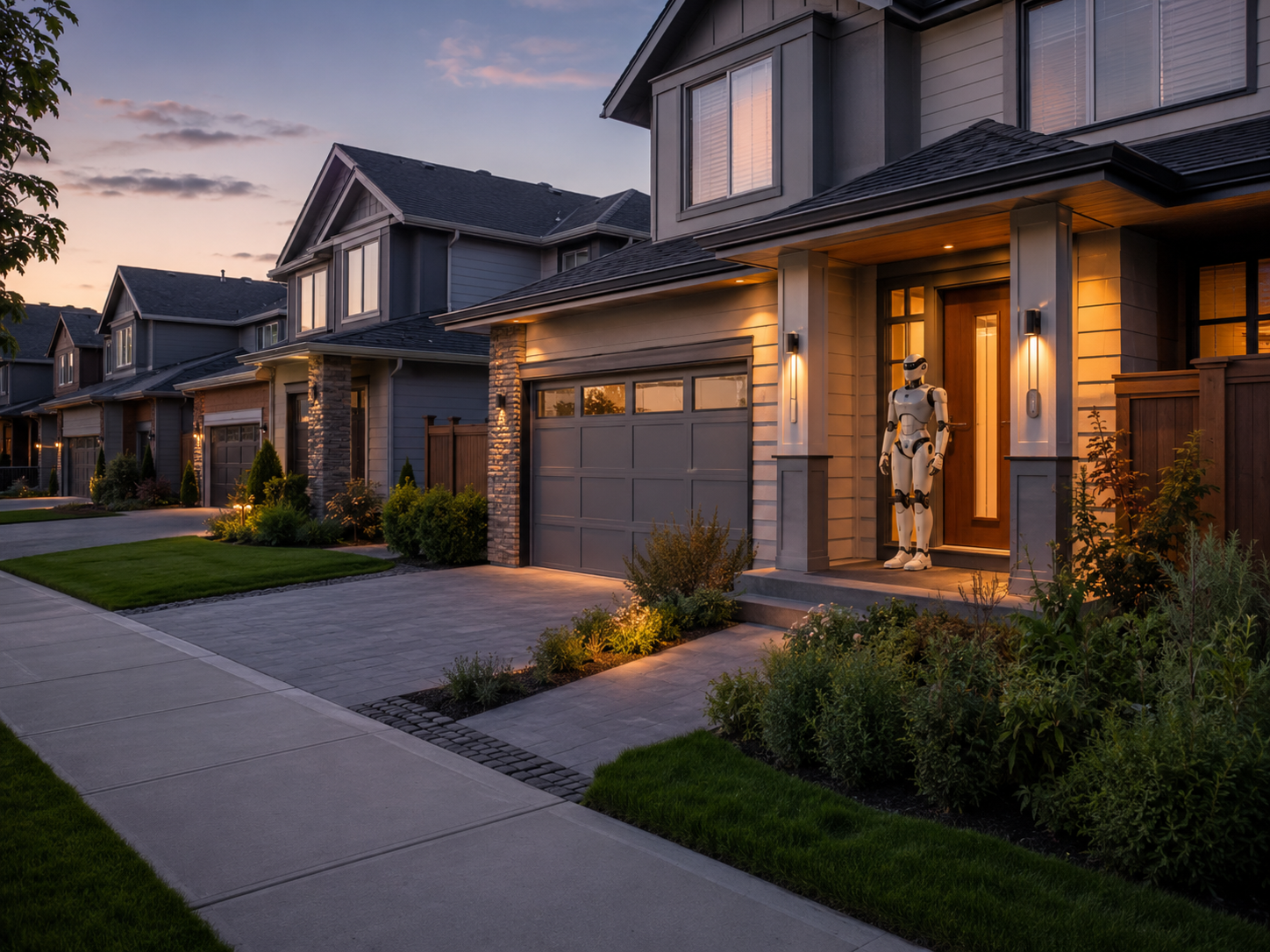
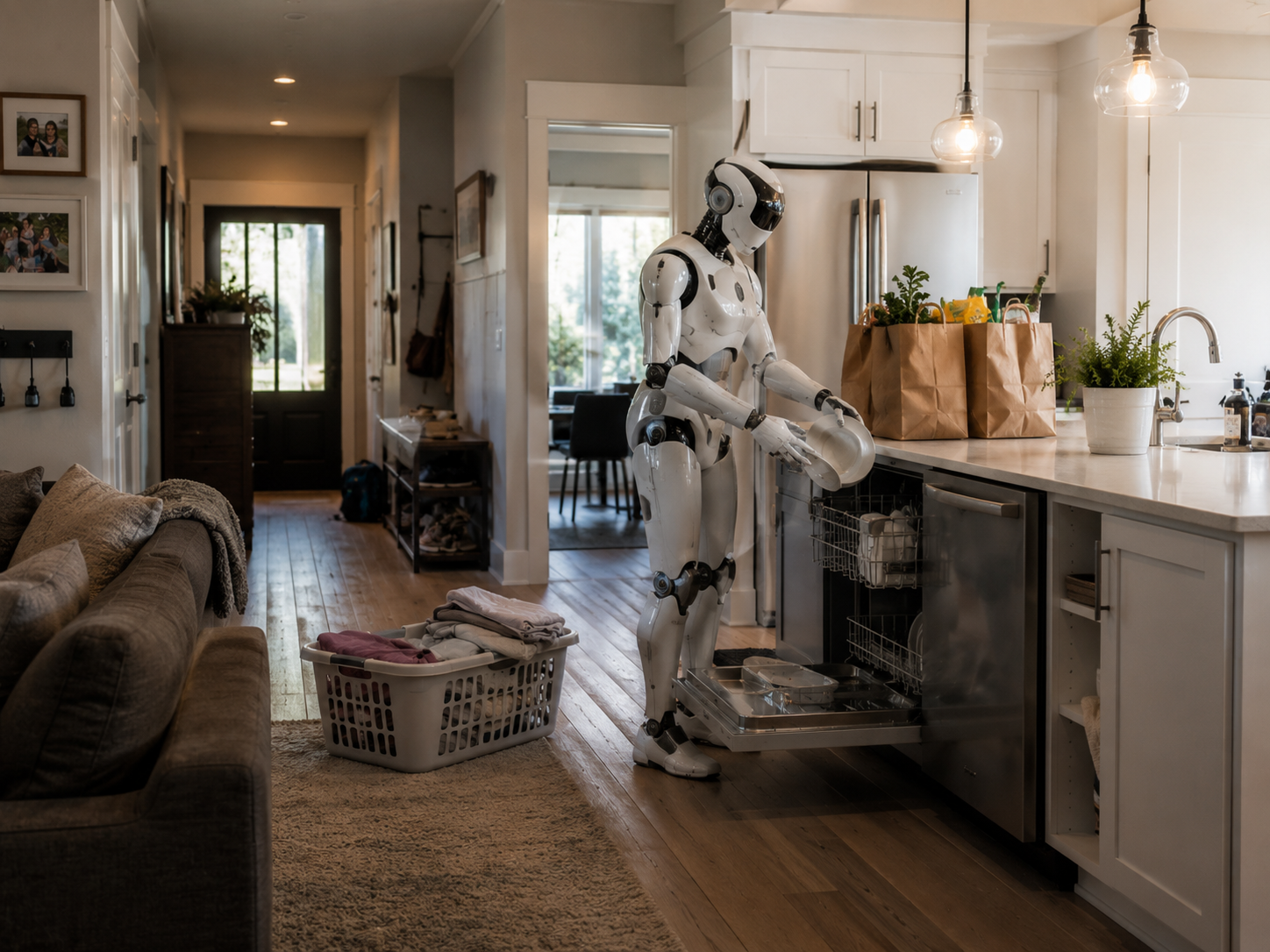
Robots will not enter society as invaders. They will enter as helpers. In the home, they will clean kitchens, mop floors, carry laundry, load dishwashers, cut grass, check doors, watch children, assist aging parents, remind Grammy to take medicine, detect falls, bring water, patrol the property, and alert the family when something is wrong. Families will adopt them because they solve exhaustion. Parents are tired. Adult children worry about elderly parents. Household help is expensive. Safety matters. If a robot can reduce stress inside the home, people will invite it in before they fully consider what it means.
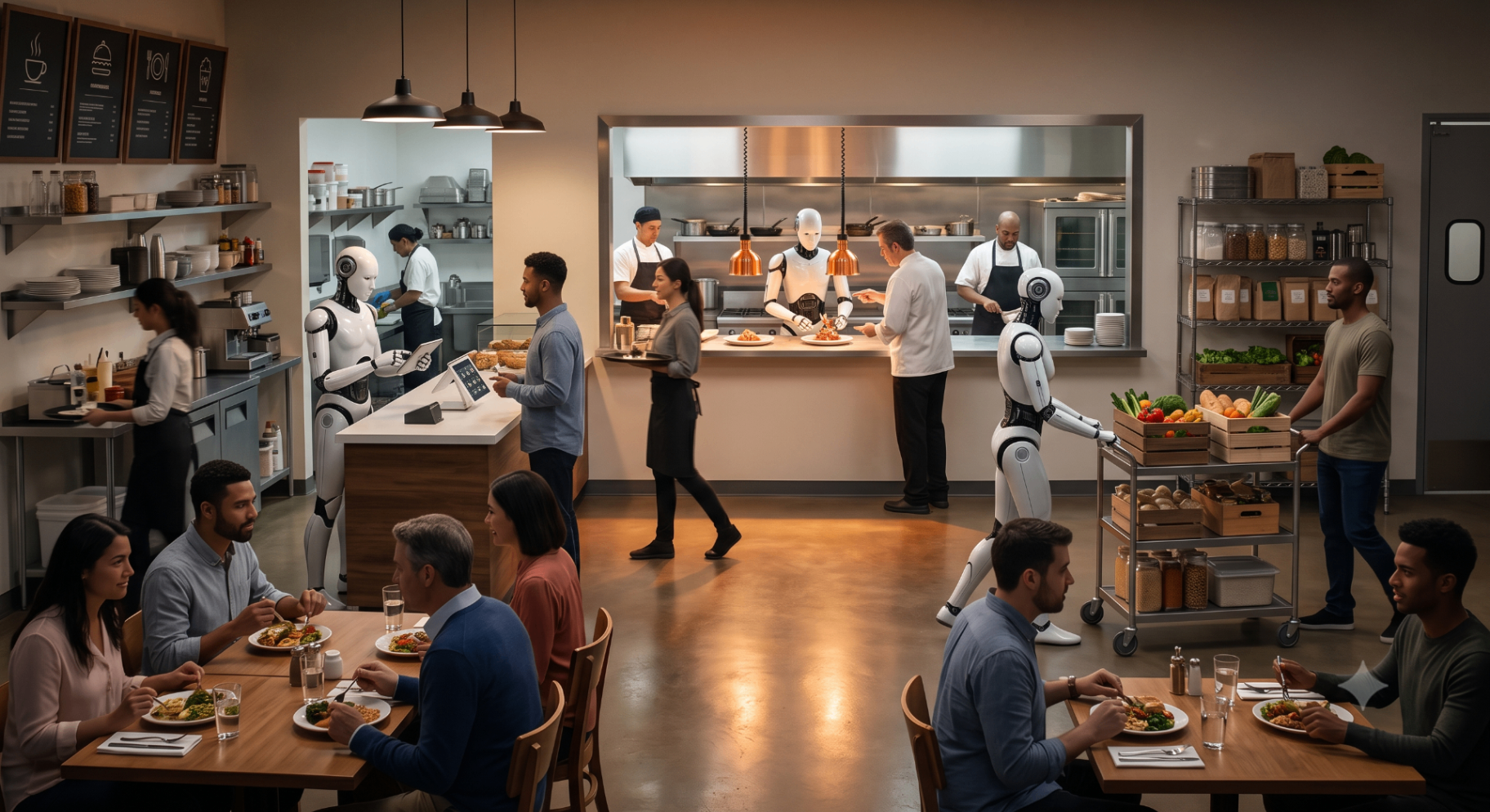
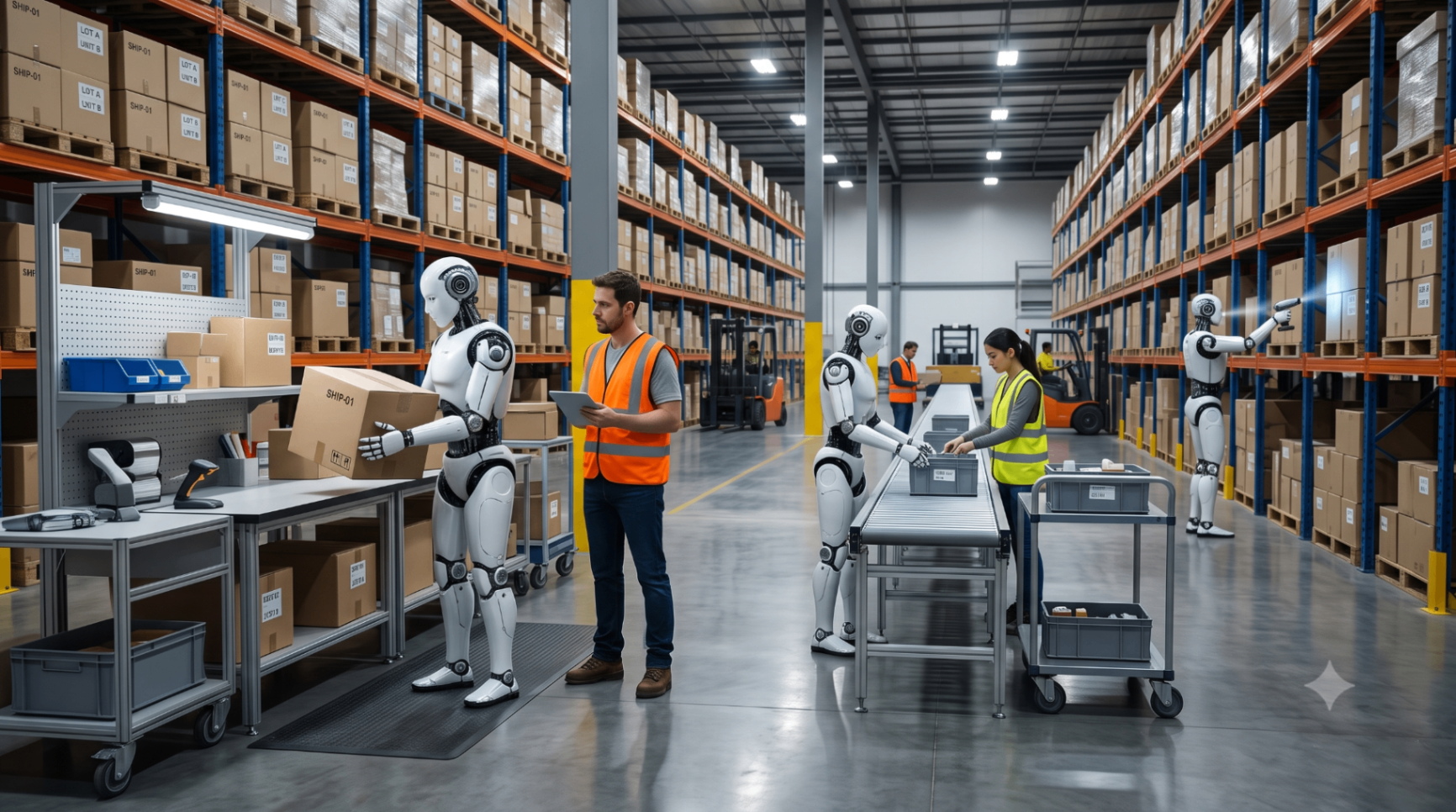
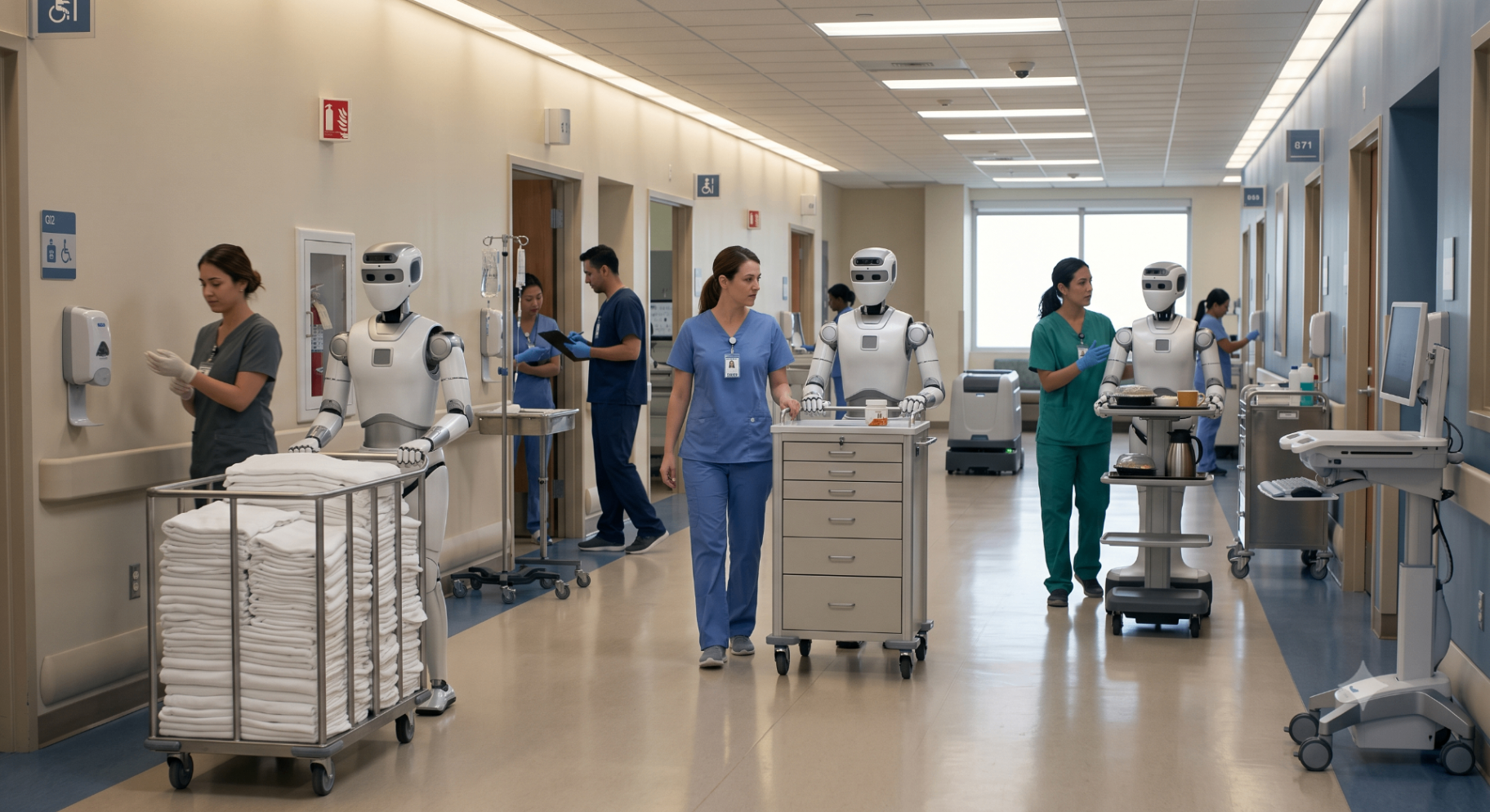
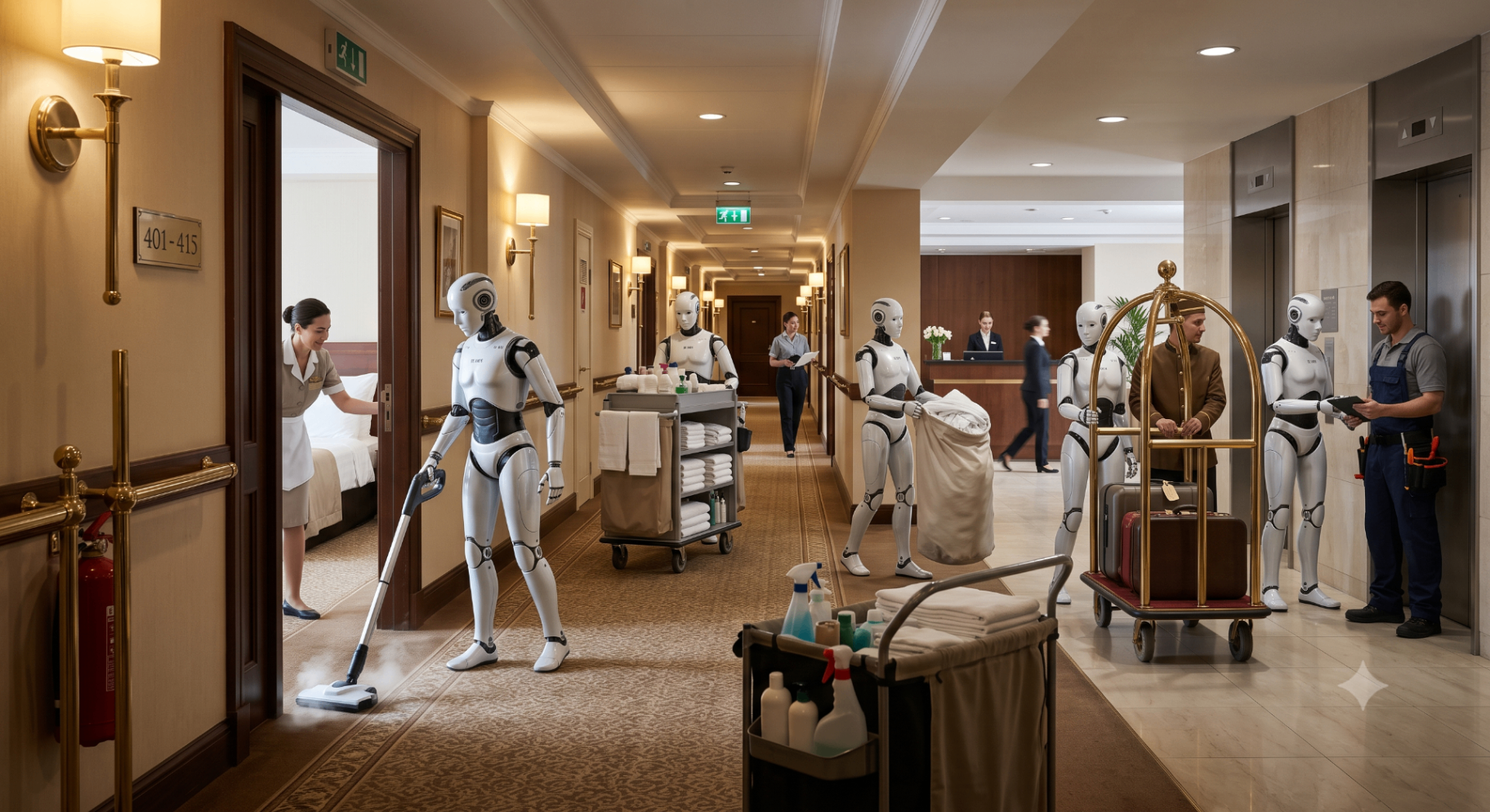
Businesses will adopt robots for a different reason: economics. In restaurants, robots will take orders, carry food, clear tables, clean floors, restock supplies, and support kitchen staff. In warehouses, they will move boxes, scan inventory, sort packages, and stage shipments. In hospitals, they will deliver linens, transport supplies, carry meals, and assist nurses with non-clinical tasks. In hotels, stores, factories, repair shops, and security environments, they will handle the repetitive physical work that keeps operations moving. At first, they will work beside humans. Then they will begin absorbing the tasks that once required human workers.
The danger is not that robots will suddenly replace every human being. The danger is that they will quietly replace enough human tasks to make millions of workers less necessary. A robot does not need to run the whole restaurant to reduce staffing. It only needs to take orders, move carts, clear tables, and clean floors. A robot does not need to run the whole hospital to reduce labor demand. It only needs to move supplies, deliver meals, clean rooms, and transport carts. This is how the physical labor market begins to thin. We will invite robots in because they help us. Then we may wake up and realize they have started replacing us.
Section 1
Robots Enter the Home
Families will adopt robots because they solve exhaustion, safety, caregiving pressure, and the daily burden of household work.
Section 2
Robots Enter the Workplace
Businesses will adopt robots because they solve labor cost, staffing shortages, consistency, speed, and scale.